
How Can Regular Maintenance Maximize Your Diesel Genset Lifespan?
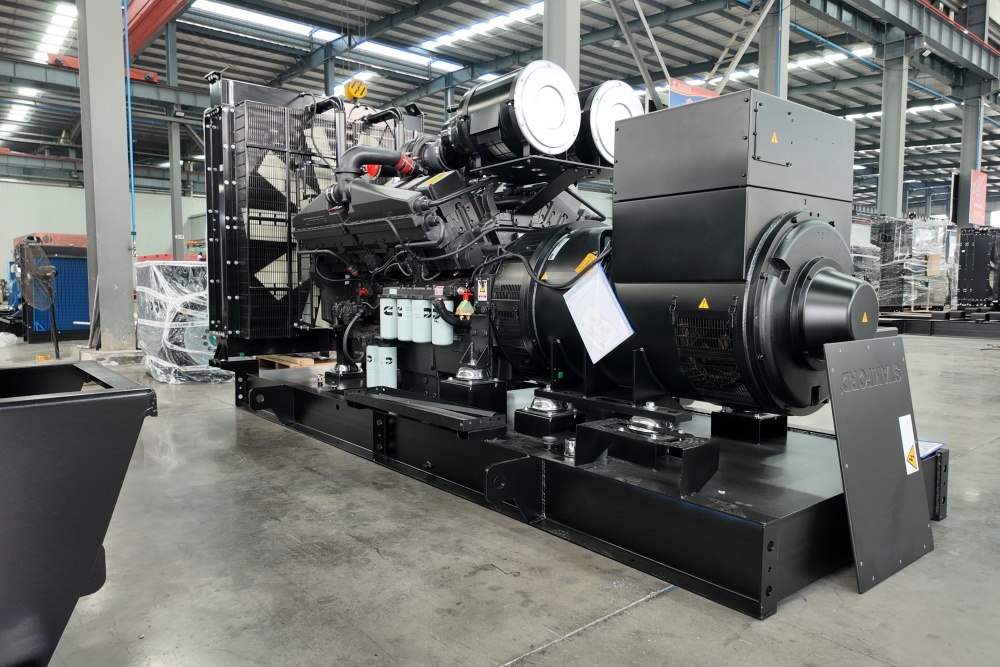
A high-performing diesel genset achieves a 95% start-up reliability rate when maintenance cycles strictly follow a 250-hour interval protocol. By replacing lubricating oil every 6 months and verifying fuel filter differential pressure, operators avoid the 12% efficiency drop caused by carbon deposit accumulation. Implementing a proactive lubrication and cooling fluid analysis program reduces engine component wear by 35% compared to schedule-neglected units. Proper fuel conditioning prevents injector nozzle orifice erosion, which can otherwise trigger a 5% increase in specific fuel consumption within the first 1,000 hours of operation.
Routine oil analysis provides a chemical snapshot of engine health, identifying metallic wear particles long before they cause mechanical failure. Testing oil viscosity every 500 hours ensures the lubricant maintains the necessary film strength to protect bearings during high-load transients.
Laboratories typically flag abnormal silicon or iron concentrations exceeding 20 parts per million (ppm) as evidence of inadequate filtration or internal scoring.
If oil analysis reveals consistent particulate contamination, the next logical step involves examining the integrity of the air intake and filtration systems.
Air intake systems directly regulate the combustion air-to-fuel ratio, influencing total thermal output and exhaust gas temperature. An obstructed air filter leads to a 4% to 7% rise in exhaust temperatures, which accelerates valve seat erosion and potential turbocharger damage.
-
Replace primary air filters when restriction indicators show 25 inches of water column.
-
Inspect air piping connections for leaks to prevent unfiltered air from entering the combustion chamber.
-
Verify pre-cleaner functionality to extend the service life of paper elements by up to 20%.
Maintaining optimal airflow transitions naturally into the management of the fuel delivery system, where purity determines combustion efficiency.
Modern high-pressure fuel systems operate at pressures exceeding 20,000 psi, requiring absolute fuel cleanliness to prevent nozzle clogging. Microscopic debris or water content above 0.05% by volume will trigger premature degradation of the high-pressure pump components.
| Component | Inspection Interval | Action Threshold |
| Primary Fuel Filter | 250 Hours | Replace upon pressure drop > 5 psi |
| Fuel/Water Separator | Daily | Drain until clear fluid appears |
| Injector Nozzles | 2,000 Hours | Bench test for spray pattern symmetry |
Failure to monitor fuel chemistry impacts the combustion process, which leads us to the cooling system and its role in heat rejection.
The cooling system maintains an engine's thermal baseline, with a standard operating range between 170°F and 195°F for most industrial equipment. Coolant additives, specifically nitrites and molybdates, deplete at a rate of 10% to 15% annually, leaving cylinder liners vulnerable to cavitation-induced pitting.
Engines running at 80% load require a steady coolant flow to dissipate nearly 30% of the total heat energy generated by the combustion process.
Once the cooling system remains within thermal parameters, the focus shifts to the electrical architecture, specifically the diesel genset starting battery array.
Batteries lose approximately 1% to 3% of their charge daily due to self-discharge, making trickle charging essential for immediate standby response. Voltage drops below 12.4V for a 12V system suggest sulfation of lead plates, which permanently reduces the cold-cranking amp capacity.
-
Measure terminal voltage monthly to ensure consistency across all battery cells.
-
Clean terminal posts to remove oxidation that creates high-resistance contact points.
-
Check electrolyte levels in non-sealed batteries every 6 months, topping off with distilled water only.
Battery readiness ensures the engine turns over within 10 seconds of a power event, and this mechanical reliability is further supported by regular load bank testing.
Load bank testing mimics real-world demand, allowing the unit to reach design temperatures that prevent wet stacking. Running an engine at less than 30% capacity for extended periods causes unburnt fuel to accumulate in the exhaust stack, a condition found in 40% of rarely used backup generators.
Periodic application of a resistive load bank at 100% capacity for 2 hours annually burns off carbon deposits and restores cylinder pressure to factory specifications.
The combination of electrical and mechanical testing provides a complete profile of system health, confirming that every component from the intake manifold to the exhaust outlet functions as a synchronized unit.